



The Ultimate Guide to Lube
Welcome to our slippery and smooth Ultimate Guide to Lube. Yes, we’re poets and yes, we know it.
We’re constantly talking about lube here at The Natural Love Company. We’re just obsessed. Why? Because we think it’s the underdog of the sex world. Many people don’t realize just how powerful a little bit of lube can be for maximizing pleasure and comfort throughout your sexual experiences. We want people to know that what might seemingly be a small bottle of lube can actually pack a big punch.
What is Lube? What does it do? And how does it work?
Lube, short for lubricant and also known as personal lubricant, is like the secret sauce for sexy time. To put it simply, lube is a liquid or gel designed to decrease friction during sex. Lube provides a wetter and more slippery experience, making insertion of toys, penises, and fingers more effortless during penetrative activities and making any other kinds of sex – including masturbation – more comfortable and more pleasurable too!
Adding a layer of moisture and slickness, lube reduces resistance between body parts and/or toys to make movements feel smoother and more enjoyable. The goal is to provide added moisture for better glide, which prevents any potential chafing, irritation, or discomfort, leading to increased pleasure. Moisture magic!
Why do people use lube?
People can use lube for all kinds of different reasons, including but not limited to:
- Heightening pleasure and/or comfort: We told you, lube makes everything better!
- Experimentation: Trying lube or different lubes can simply be part of sexual exploration! Experimenting with new sensations, scents, flavors, and textures can be fun and will help you find what’s most enjoyable for you.
- Relief from dryness: Vaginal dryness is common and can occur for a multitude of reasons, such as hormonal changes, pregnancy, breastfeeding, and menopause. And some women simply produce less natural lubricant than others. Lube can alleviate discomfort from this!
- Improving sexual health: Proper lubrication can reduce the risk of irritation or injury and supports safer and more comfortable interactions, making for safer sexual experiences!
- Adding lubrication where natural lubrication doesn’t occur: Unlike the vagina and the mouth, some areas of the body don’t self-lubricate, such as the anus or the penis. It’s always recommended to use lube for any kind of anal penetration and many people enjoy adding lube for hand jobs and wanks, too! Adding slip to areas where slip doesn’t naturally occur!
Types of Lube
There are 4 main types of Lube, each with its own pros and cons:
- Water-based lube: The most versatile, safe, and popular choice. Water-based lubricant is easy to clean and compatible with most condoms and sex toys. It can last a little less time than other options, but can easily be reapplied as and when is needed during longer sessions. This is our top pick at The Natural Love Company, which is why our Simply Lube range is water-based!
- Silicone-based lube: Known for long-lasting slickness and a silky feel, silicone lubes are great for bath and shower play or prolonged sessions, but should be avoided in combination with sex toys made out of silicone as they can degrade the material of the toy.
- Oil-based lube: These provide excellent slip and are great for massages, but they shouldn’t be used with latex condoms as they can break them down and compromise their effectiveness, which we imagine may be a very important factor for many people! Oil-based lubricants also tend to require more clean-up than its counterparts.
- Hybrid lube: Best of both worlds, usually a blended base of water and silicone. They offer a longer-lasting feel than water-based options while still being easy to clean up. Again, because they are partially silicone-based, they are not compatible with silicone toys.
There are also different types of lube that claim to provide different sensations, such as tingling lubes, cooling lubes, warming lubes, and flavored lubes.
Safety When Using Lube
On the w(hole), lube is a tool to help you have safer sex. However, there are a few things that should be considered when incorporating lube into your sexual encounters.
Check the Ingredients
Not all lubricants are created equally, and it’s important to choose one that is going to be kind to your skin – especially since they may be used on some of the most sensitive areas of your body. We recommend avoiding ingredients such as glycerin, glycol, parabens, and parfum, which are commonly found in commercial lubes despite being known nasties and skin irritants. We pride ourselves on our skin-kind Simply Lube formula here at TNLC.
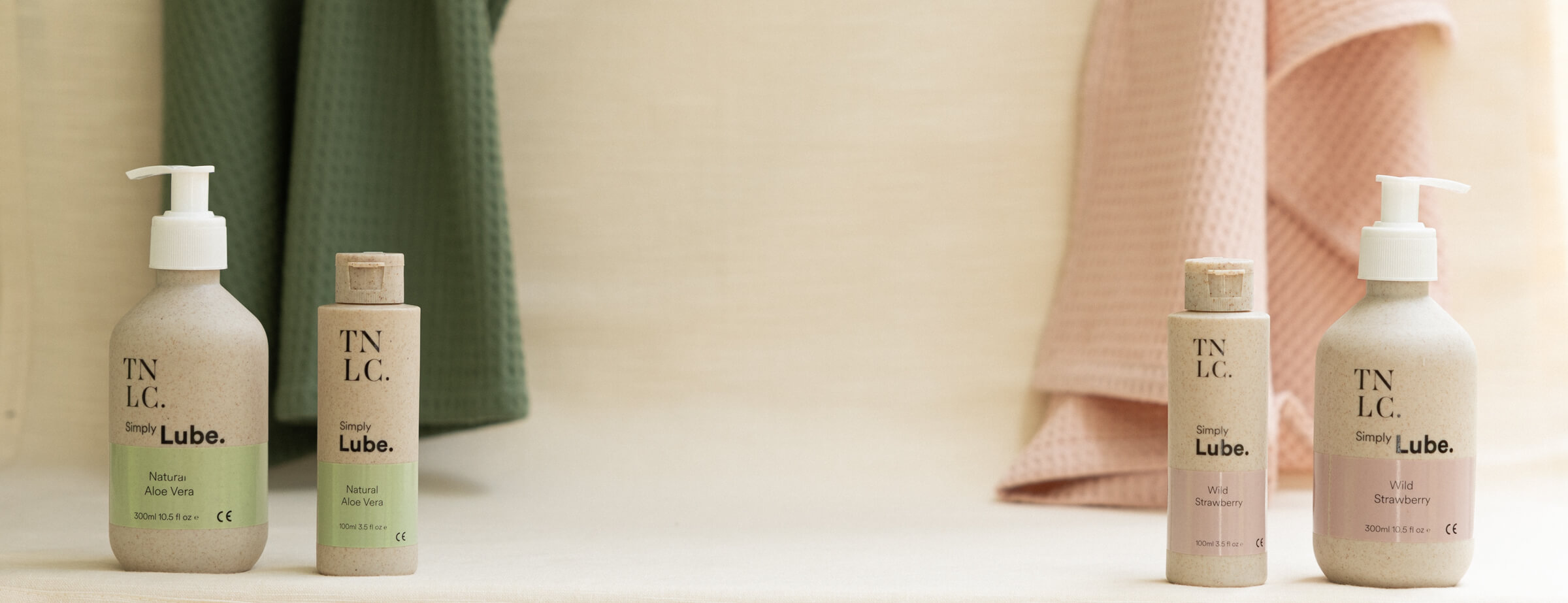
Simply Lube is a vegan, cruelty-free, and kind-to-skin personal lubricant. It’s made with 99.2% organic ingredients and is glycerin, glycol, paraben, and artificial fragrance-free (we use extracts for our gentle Aloe Vera and Wild Strawberry scents instead!). To add to that, Simply Lube comes in a compostable bottle (so that you can fuck yourself without fucking the planet!) and of course, it’s water-based, which means it’s toy-safe and condom compatible.
Check Compatibility with Any Condoms and Sex Toys You May Use It With
The general rules are as follows, but always check the manufacturer’s guidance on your lube, toys, and condoms to be sure:
- Silicone-based lube should not be used with silicone toys as it can degrade the material of the toy.
- Oil-based lubricant can be used safely with most sex toys, but is not compatible for use with condoms because the oil can break down and degrade the material of the condom, risking breakage and overall effectiveness.
- Water-based lube (such as Simply Lube) is always the safest option. It’s compatible with most sex toys (including our entire range) and is usually safe for use with condoms.
Keep an Eye on Expiration Dates
Like most personal care products, lube has an expiration date. If that same bottle of lube has been sitting in your bedside table for a while, it’s best to check it! Using expired lube can lead to bacterial growth, which can cause infections. Take a look at your lube’s packaging for its shelf life and discard it if it has expired!
Listen to Your Body
If something doesn’t feel right, stop using the product and reassess. Lube shouldn’t feel uncomfortable in any way, and sensitivity varies from person to person, so don’t hesitate to trust your instincts! If you (or any partners you may be using the lubricant with) have a history with sensitive skin or allergies, it may be a good idea to do a small patch test before putting your lube into full practice.
How to Use Lube
Using lube is pretty straightforward, but here are some tips for the best experience:
- Start with a dollop: Go ahead and apply a dollop to the desired area, which may be your genitalia, your hand, or a toy. It’s worth noting that too much lube is better than not enough lube, so don’t be afraid to be liberal with it to begin with.
- Reapply as necessary: Remember you can always add more as and when you feel you need or desire it! It’s not uncommon to reapply lube during longer sessions!
- Experiment: Lube isn’t just for penetrative sex! Give it a go for activities like massages, nipple play, and masturbation too. Don’t knock it ’til you try it!
- Don’t be afraid to communicate: If using lube with a partner, discuss what feels best for both of you before and during your encounters. Don’t be afraid to express your desires to your sexual partner(s); communication is key!
Lube Myths and Misconceptions
Lube is misunderstood by many people, leading them to dismiss it without having the proper facts! Let’s dispel some of these lube myths and misconceptions together.
1. “I don’t need lube! I can just use spit!”
While saliva can work for adding a little extra moisture during some sexual activities, it’s not recommended for use in place of proper lube. This is especially true if you’re trying to penetrate areas that are not self-lubricating, like the anus, in which case personal lube is absolutely necessary for a comfortable and safe experience for everyone involved.
2. “Lube is only for anal sex or people who experience vaginal dryness.”
There’s no denying that lube is an excellent tool for anal sex and to help with vaginal dryness, but it’s also great for enhancing pleasure and comfort for everyone, regardless of the levels of naturally occurring lubrication! Lube is not limited to one or two demographics. It can be (and is recommended to be, might we add) used in a whole bunch of different scenarios and by all kinds of different people.
3. “All lubes are the same”
False! Lubes vary significantly in texture, ingredients, and suitability! It’s essential to choose the right type for your needs. We recommend an organic lubricant free from glycerin, glycol, parabens, and parfum, which is exactly why we created Simply Lube.
Lube FAQs
Is lube safe to use while pregnant?
Yes, using lube during pregnancy is typically safe. During pregnancy, the cervix remains tightly closed, so there’s no risk of any lubricant reaching the baby. The mucus plug, a thick barrier of mucus at the entrance of the cervix, blocks any substances such as lubricant and germs from entering, ensuring protection. That said, you should always run it by a healthcare professional for proper guidance.
Can I use lube while trying to conceive?
There are mixed studies when it comes to whether or not lube is a good idea while trying to naturally conceive. It’s generally recommended to avoid most commercial lubricants while trying to conceive, as they may limit the motility of sperm, potentially reducing chances of conception. There are some sperm-friendly, fertility-safe lubes on the market that are specifically designed to minimize any impact on sperm moving through the reproductive system. However, we would advise discussing with a healthcare professional for accurate guidance on whether they’re suitable to be used when trying for a baby.
Spermicidal lubes should be 100% avoided as these contain ingredients intended to destroy sperm and prevent pregnancy. Which wouldn’t be ideal if you’re trying to conceive, am I right?
Can I use lube with sex toys?
Absolutely, and we recommend it! Just make sure to use the right type of lube for your toys; water-based is usually your best bet. Our entire range of sex toys at TNLC is compatible with water-based lube.
It is worth noting that silicone-based lubes (including silicone and water hybrid lubes) are not recommended for use with silicone toys as they can break down and degrade the material of the toys. Silicone-based lube can, however, usually be used safely with glass and metal toys.
Oil-based lubricant can be used safely with most sex toys (including all of our sex toys at The Natural Love Company), but it is important to remember that oil-based is not compatible for use with condoms.
Do I *need* to use lube?
Not always, but it is recommended for increased comfort and pleasure! We’re lube’s No.1 fan! Lube is necessary if you’re using toys anally or if you experience vaginal dryness, but it is not mandatory if there’s already sufficient natural lubricant.
Can you be allergic to lube?
Yes, but it’s uncommon. It goes without saying that people who have experienced sensitivities or allergies to certain ingredients in the past should always check the ingredients on the bottle. If irritation occurs or you suspect an allergic reaction upon use of any lube, rinse it off thoroughly and do not continue use.
Can I use lube in the shower or bath?
Yes, you can! That said, you may find that water-based lubes can wash away easily in those environments, so silicone lubes may be more suitable for bath and shower play as they maintain their slickness in water.
Will lube disrupt the pH balance in my vagina?
Some types of lube can impact the vaginal pH balance, yes, but this depends on the ingredients and formulation of the lubricant. It’s advised to avoid certain ingredients including glycerin, spermicide (usually presenting on the ingredients list as nonoxynol-9), and synthetic fragrances or flavorings. These ingredients can disrupt the vaginal pH balance, potentially leading to discomfort or even vaginal infections such as bacterial vaginosis or thrush (yeast infections). Oil-based lube is also more likely to disrupt vaginal pH than other lubes, as the oils used can interfere with the natural vaginal flora.
It is also worth checking the pH level of your lube. The pH scale ranges between 0 and 14. 0 is most acidic, 7 is neutral, and 14 most alkaline. A healthy vagina will sit at a pH of between 3.8 and 4.5, raising closer to 5 as you get older. To avoid disrupting yours or your partner’s vaginal pH balance, it’s recommended only to use lubricants with a pH of 7 or lower. Water-based lubricants are a good option because they most closely mimic the vagina’s natural lubrication and usually have a neutral pH level of around 7.
Simply Lube is glycol, glycerin, paraben, spermicide, and synthetic fragrance-free, water-based, made from 99.2% organic ingredients, and has a pH of 7, making it an excellent choice for a happy and healthy vagina.
You say your lube is organic, what does that mean?
When we refer to our Simply Lube as “organic lube,” it means that 99.2% of the ingredients are free of, and grown or processed without use of synthetic chemicals, artificial fertilizers, and hormones, which are common additives in many lubricants in today’s market. We believe that harmful chemicals and fertilizers have no place near your intimate areas, so we left out that part. Common sense, right? We think so too!


